How Sandwich Delivery Works
Sandwich delivery has become an integral part of the American food landscape, offering convenience and variety to millions of consumers daily. Understanding the mechanics behind sandwich delivery reveals a sophisticated system of food preparation, packaging, logistics, and technology that works together to bring fresh sandwiches from restaurants to customers' doors.
The process begins when a customer places an order through various channels, including restaurant websites, mobile applications, or third-party delivery platforms. Once the order is received, the restaurant's kitchen staff begins preparing the sandwich according to the customer's specifications, ensuring freshness and quality at every step.
Did you know? The sandwich delivery industry has grown exponentially over the past decade, driven by advances in mobile technology and changing consumer preferences for convenient dining options.
After preparation, sandwiches are carefully packaged to maintain temperature and prevent damage during transit. Delivery personnel, whether employed directly by the restaurant or through third-party services, then transport the orders using optimized routing systems that consider traffic patterns, delivery sequence, and food quality preservation.
Types of Sandwiches Available for Delivery
The variety of sandwiches available for delivery spans a remarkable range of cuisines, styles, and dietary preferences. From classic American subs to international favorites, the sandwich delivery market caters to virtually every taste and nutritional requirement.
Cold Sandwiches
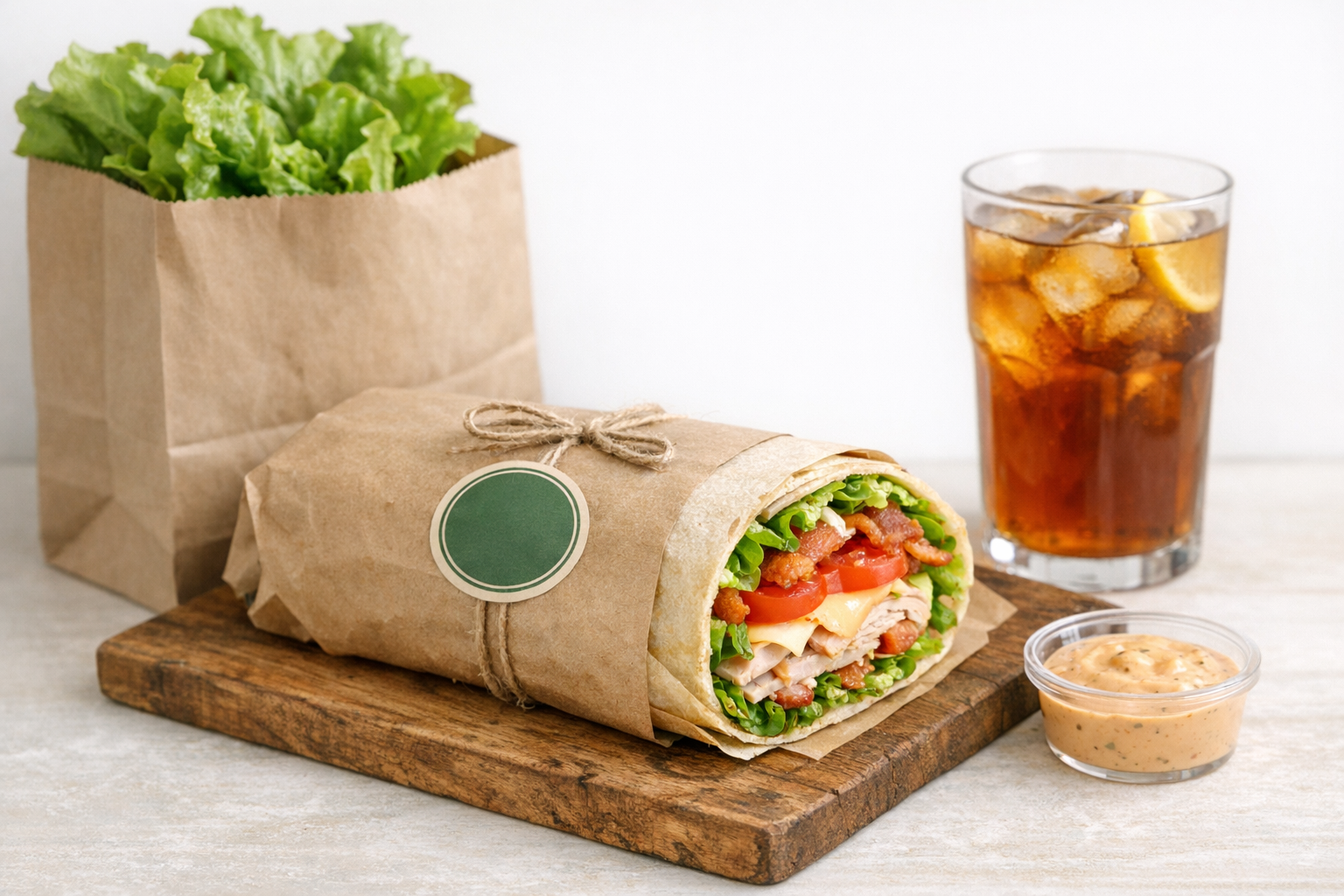
Classic deli sandwiches, submarine sandwiches, wraps, and club sandwiches that are served at room temperature or chilled. These sandwiches are ideal for delivery as they maintain their quality during transport without the need for temperature control.
Hot Sandwiches
Grilled sandwiches, paninis, melt sandwiches, and toasted subs that are served warm. These require specialized packaging to maintain temperature during delivery and arrive at the optimal eating temperature.
Regional Specialties
From Philadelphia cheesesteaks to New Orleans po'boys, regional sandwich varieties reflect local culinary traditions and ingredients. Each region offers unique sandwich experiences available through local delivery services.
Logistics Overview
The logistics of sandwich delivery involve multiple interconnected systems working in harmony to ensure timely and quality-focused service. Modern delivery operations leverage sophisticated technology platforms that integrate order management, kitchen operations, driver dispatch, and customer communication into seamless workflows.
Temperature control represents one of the most critical aspects of sandwich delivery logistics. Hot sandwiches must be maintained above 140°F (60°C) to ensure food safety, while cold sandwiches benefit from insulated packaging that prevents warming during transit. Many delivery services now use specialized equipment, including heated bags, insulated carriers, and temperature-monitoring devices to maintain optimal food quality.
Route optimization algorithms play a crucial role in efficient delivery operations. These systems consider numerous variables, including order volume, delivery locations, traffic conditions, and driver availability to create the most efficient delivery sequences. This technology helps reduce delivery times while maximizing the number of orders a driver can complete during their shift.
Disclaimer: This website is an independent informational resource and is not affiliated with restaurants or delivery providers. This website does not provide food ordering, delivery services, or payment processing.